Understanding the Signs: How to Recognize the Symptoms of Online Casino Gaming Addiction
The digital age has brought the thrill of the casino straight to our screens, making online casino gaming more accessible than ever before. While millions enjoy online slots, poker, and roulette responsibly, a significant number of players develop problematic habits that can spiral into addiction. In fact, a 2022 study by the UK Gambling Commission found that about 0.5% of the adult population in Great Britain are classified as problem gamblers, equating to hundreds of thousands of individuals. Recognizing the symptoms of online casino gaming addiction is crucial for timely intervention and support. This article explores the key signs, risk factors, behavioral changes, and practical steps to identify and address this growing concern.
What Is Online Casino Gaming Addiction?
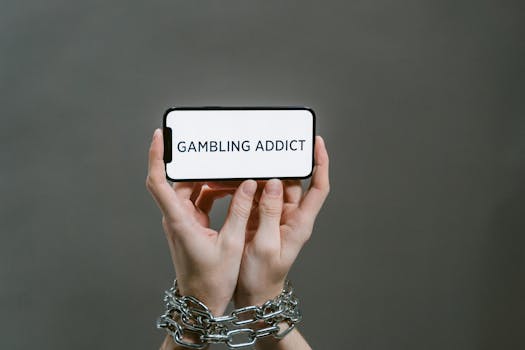
Online casino gaming addiction, also known as gambling disorder, is a behavioral addiction characterized by the inability to control online gambling habits despite negative consequences. Unlike enjoying a casual game of blackjack or an occasional spin of the roulette wheel, addiction manifests as a persistent, compulsive urge to gamble, impacting mental health, finances, and personal relationships.
The World Health Organization (WHO) classifies gambling disorder as an addictive behavior, similar in its compulsive patterns to substance abuse. According to the National Council on Problem Gambling, approximately 2 million U.S. adults meet the criteria for severe gambling problems, with online gambling accounting for a growing share of these cases due to its 24/7 availability and immersive design.
Common Behavioral Symptoms of Online Casino Gaming Addiction
Recognizing addiction often starts with observing changes in behavior. While some signs may be subtle at first, patterns often emerge over time. Here are some of the most common behavioral symptoms:
1. $1 - Constantly thinking about previous online casino sessions or planning the next bet. - Neglecting work, school, or family obligations due to time spent gambling. 2. $1 - Attempting to recover lost money by gambling more, leading to deeper financial distress. - A 2023 report by the American Gaming Association found that 68% of problem gamblers frequently chase their losses online. 3. $1 - Repeated unsuccessful attempts to reduce or control online casino gaming. - Becoming irritable or restless when trying to stop. 4. $1 - Concealing the extent of online gambling from friends, family, or therapists. - Creating elaborate excuses for missing events or spending money. 5. $1 - Using online casino games as a way to escape stress, anxiety, or depression. 6. $1 - Failing to meet work deadlines, skipping classes, or ignoring household tasks. - In severe cases, withdrawal from social activities and relationships.Financial and Emotional Warning Signs
Addiction to online casino gaming is not just a matter of time spent—it often leaves a trail of financial and emotional distress. Here are some telltale signs:
1. $1 - Frequent requests to borrow money without clear reasons. - Disappearing savings, maxed-out credit cards, or selling personal belongings. 2. $1 - Sudden changes in mood, including anger, anxiety, or depression, particularly after gambling losses. - Increased agitation when unable to access online casinos. 3. $1 - Skipping meals, lack of sleep, or poor hygiene due to extended gaming sessions. 4. $1 - Expressing regret, self-loathing, or embarrassment over gambling behavior. - Isolation from loved ones to avoid judgment.Risk Factors: Who Is Most Vulnerable?
While anyone can develop a gambling problem, certain factors increase the likelihood of addiction:
- $1: Young adults (aged 18-24) are statistically more likely to develop online gaming addictions, with studies showing that up to 6% of this demographic may exhibit problem gambling behaviors. - $1: Individuals with depression, anxiety, or substance abuse disorders are at higher risk. - $1: Those with a family or personal history of addiction are more susceptible. - $1: The proliferation of mobile apps and online casinos means gambling is never more than a click away. - $1: People who lack strong social networks may turn to online gaming for companionship or escape.Comparing Casual Play to Addictive Behavior
It can be difficult to distinguish between enthusiastic participation and problematic gambling. The table below illustrates key differences between casual players and those exhibiting signs of addiction:
| Behavior | Casual Player | Potentially Addicted Player |
|---|---|---|
| Time Spent Gaming | Plays occasionally, usually for entertainment | Spends increasing amounts of time gambling, often at the expense of other activities |
| Emotional State | Enjoys the game win or lose, accepts losses | Becomes irritable or anxious when unable to play, chases losses |
| Financial Impact | Sticks to a set gaming budget | Gambles with money needed for bills or essentials, borrows or sells possessions to fund play |
| Social Life | Balances gaming with relationships and responsibilities | Withdraws from friends or family, misses obligations |
| Control | Can stop at any time | Repeatedly tries and fails to reduce or stop gambling |
The Role of Technology and Game Design
Modern online casinos leverage psychological techniques and game mechanics that can exacerbate addictive behaviors. Features such as rapid play cycles, near-miss outcomes, and variable rewards are specifically engineered to keep players engaged. Push notifications, daily bonuses, and loyalty rewards further encourage frequent play.
A 2021 study by the University of Nevada found that online slot machines with faster spin times led to a 30% increase in session duration among individuals at risk for addiction. Additionally, the anonymity and privacy of online play can make it easier for problematic habits to go unnoticed by others.
Steps to Take If You Suspect a Problem
Recognizing the symptoms is only the first step. If you or someone you know may be struggling with online casino gaming addiction, consider the following actions:
1. $1: Use screening tools such as the Problem Gambling Severity Index (PGSI) to evaluate risk levels. 2. $1: Talk openly with trusted friends or family members about concerns. 3. $1: Seek support from counselors, mental health professionals, or helplines such as the National Problem Gambling Helpline (1-800-522-4700 in the US). 4. $1: Many online casinos allow players to set deposit, loss, or time limits—utilize these features. 5. $1: Use software to restrict access to gambling sites if necessary. 6. $1: Organizations like Gamblers Anonymous offer community support and recovery programs.Final Thoughts on Recognizing Online Casino Gaming Addiction
Online casino gaming can be a fun and exciting pastime, but the line between entertainment and addiction can be alarmingly thin. Statistics show that millions are affected by gambling disorders, with online platforms presenting unique challenges for detection and intervention. By staying informed about the behavioral, financial, and emotional symptoms—and understanding the risk factors—individuals and their loved ones can better recognize when gaming has become a serious problem. Early recognition is essential for seeking help and preventing long-term consequences.