The Role of Government Regulation in Promoting Responsible Online Casino Gaming
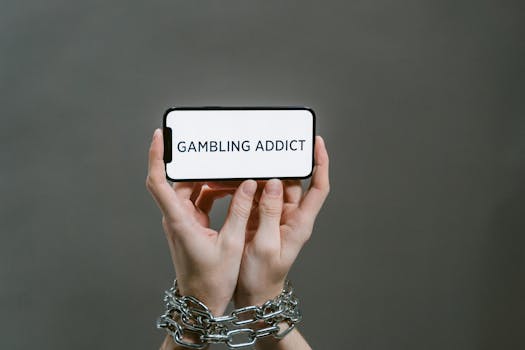
Online casino gaming has exploded in popularity over the past decade, drawing millions of players around the world. While the industry offers exciting entertainment and the chance to win big, it also presents unique risks—including gambling addiction, fraud, and underage access. As these challenges have become more apparent, the critical role of government regulation in promoting responsible online casino gaming has come to the forefront. Far beyond simply enforcing rules, effective regulation is shaping a safer, fairer, and more transparent digital gambling environment for everyone.
The Growth of Online Casino Gaming and Emerging Risks
Online gambling revenue is booming. In 2023, the global online gambling market was valued at over $92 billion, with projections to surpass $153 billion by 2030. This phenomenal growth is fueled by increased internet access, mobile device usage, and the proliferation of new online casino platforms.
However, the rapid evolution of this digital landscape has not been without pitfalls:
- The World Health Organization estimates that up to 3% of all gamblers worldwide struggle with problem gambling. - In a 2022 survey, 34% of online gamblers admitted to gambling more than they could afford at least once in the past year. - Underage gambling remains a concern, with studies in the UK showing that 11% of 11-16-year-olds have gambled online.These statistics underscore the urgent need for oversight. Without proper regulation, online casinos can become breeding grounds for fraud, addiction, and criminal activity. This is where government intervention becomes not just helpful, but essential.
Key Objectives of Government Regulation in Online Gambling
Government regulation in the online casino sector serves several foundational objectives:
1. $1: By mandating responsible gaming tools (like deposit limits, self-exclusion, and reality checks), regulation helps prevent gambling-related harm, especially among those at risk of addiction. 2. $1: Regulators require casinos to use certified Random Number Generators (RNGs) and undergo regular audits, ensuring that games are fair and not rigged in favor of the house. 3. $1: Strict identity verification processes are mandated to ensure that only adults can access gambling services. 4. $1: Money laundering and fraud are major concerns. Licensing authorities require robust security measures, anti-money laundering (AML) protocols, and cooperation with financial intelligence units. 5. $1: Legal regulation allows governments to tax gambling operators, generating significant revenue for public services.Comparing Regulatory Approaches: A Global Perspective
Different countries have adopted varying strategies to regulating online casino gaming, ranging from highly restrictive to open and innovation-friendly. Below is a comparative overview of regulatory models in selected regions:
| Country/Region | Regulatory Body | Approach | Key Features |
|---|---|---|---|
| United Kingdom | UK Gambling Commission | Strict/Comprehensive | Mandatory player protection, rigorous licensing, advertising controls, regular audits |
| Sweden | Spelinspektionen | Strict/Moderate | Self-exclusion register, deposit limits, advertising guidelines |
| Malta | Malta Gaming Authority | Open/Regulated | Attractive licensing, strong AML, focus on international operators |
| United States (selected states) | State-Level Boards (e.g., NJ DGE) | Fragmented/State-Based | Licensing varies by state, geolocation controls, strict player ID |
| Australia | ACMA | Restrictive/Prohibitive | Ban on most online casinos, focus on consumer protection |
This diversity highlights a key truth: there is no one-size-fits-all approach. However, countries with well-resourced, independent regulators tend to foster safer environments for players while supporting a healthy industry.
Effective Regulatory Tools and Strategies
Government regulators employ a variety of tools and strategies to promote responsible online casino gaming. These include:
- $1: Operators must obtain and maintain licenses, which are contingent on meeting strict standards for player protection, technology, and financial integrity. In 2023, the UK Gambling Commission revoked 15 licenses for non-compliance. - $1: Most regulated markets require casinos to offer tools such as loss limits, time-outs, and self-exclusion. In Sweden, the national self-exclusion register “Spelpaus” had over 90,000 registered users by early 2024. - $1: Governments often restrict how and where online casinos can advertise, especially to protect minors and vulnerable populations. For example, in 2022, Spain banned gambling ads on TV and radio during daytime hours. - $1: Regulators conduct regular audits of online operators to ensure compliance with all laws, including fair play and financial security. Random inspections and “mystery shopper” programs are common in the UK and EU. - $1: Non-compliant operators can face heavy fines, license suspension, or even criminal prosecution. In 2022, the UK Gambling Commission issued fines totaling over £45 million.The Impact of Regulation: Successes and Ongoing Challenges
Has government regulation made a difference? Evidence from regulated markets suggests that it has had a significant positive impact:
- $1: After introducing strict online gambling regulations, Denmark saw its rate of problem gambling stabilize at around 0.7%, one of the lowest in Europe. - $1: According to a 2023 survey by the European Gaming and Betting Association, 78% of online gamblers in regulated markets felt confident their money and data were safe. - $1: The UK government collected over £3.1 billion in gambling taxes in 2022, a portion of which funds public health and education initiatives.However, challenges remain:
- $1: Black market sites can still attract players, often offering no protections and evading taxes. The European Commission estimates that up to 20% of all online gambling in Europe is unregulated. - $1: With the borderless nature of the internet, enforcing national regulations on foreign operators is an ongoing struggle. - $1: Excessive regulation can stifle competition and innovation. The challenge is to strike a balance that protects players without driving them to unregulated markets.Case Study: The United Kingdom’s Regulatory Model
The UK is often cited as a gold standard in online casino regulation. The UK Gambling Commission (UKGC), established in 2007, oversees one of the world’s most comprehensive regulatory frameworks.
Key features include:
- $1: All customers must provide proof of identity and age before playing. - $1: The “GAMSTOP” program allows players to self-exclude from all licensed sites in one step. As of February 2024, over 400,000 people had registered. - $1: Operators are required to assess whether players can afford their gambling spend, especially for large or frequent deposits. - $1: Gambling ads must not target under-18s and must include responsible gambling messages.The results are telling. While problem gambling remains a concern, the UK’s robust system has increased consumer trust and reduced illegal gambling activity.
Why Government Regulation Is Essential for a Safer Future
As online casino gaming becomes more accessible and immersive—thanks to technologies like virtual reality and cryptocurrency—the stakes for player safety and responsible gaming rise. Without government oversight, unscrupulous operators have free rein, putting players at risk.
Regulation is not about restricting fun—it’s about ensuring fairness, transparency, and protection for all. A well-regulated market fosters innovation and competition while keeping the interests of society and vulnerable individuals at the forefront.
Looking ahead, the most effective regulatory systems will be those that adapt to new technologies, cooperate across borders, and actively involve all stakeholders—players, operators, and governments alike.